


Have you ever noticed your cat with their paws tucked under their body, loafing around like a little bread roll? Given how flexible they are, cats can get themselves into some strange positions. However, what you might not know is that your cat’s sitting position can actually reveal clues about their mood and personality. By knowing the meaning of why your cat is sitting like they are, you can find out how they’re feeling, which can help you better understand their needs. In this article, we explore the meaning behind different cat sitting positions so you can understand each one and build a better relationship with your feline friend.
Why cats sit the way they do?
While humans use words to communicate, cats use body language as a key part of feline communication. That’s why even the way your cat is sitting has meaning. It offers a subtle indication of what your cat is feeling. Here are some things you can understand from the meaning of your cat’s sitting positions:
Comfort: When cats are feeling comfortable, they’ll seek cosy positions that show they feel relaxed and safe in their space.
Temperature: Your cat is more likely to curl up in a tucked position if they want to stay warm, whereas if they’re stretched out, it’s usually to keep themselves cool.
Alertness: If your cat’s sitting position is upright, with their eyes wide and ears forward, they’re likely feeling on guard and ready to react. If they’re looking outside, they may even be chirping at prey, like a bird.
Emotional state: A cat in a relaxed sitting position suggests that they feel secure in their environment and trust the people around. On the other hand, a crouched position can suggest your cat is feeling anxious or afraid.
Health and pain: If your cat is sitting uncomfortably, it can indicate discomfort or health problems, which should be assessed by a veterinarian.
Common cat sitting positions and what they mean?
The cat loaf
This cat sitting position is a classic. The ‘cat loaf’ describes when your cat is sitting with its paws tucked neatly underneath their body, similar to a loaf of bread on the counter. It usually means your cat is feeling quite relaxed in their surroundings. They may assume this position after kneading their spot. However, since their paws are slightly hidden, they are still semi-alert, ready to react if they need to.
Sitting like a human
It can be quite funny to see your cat sitting like a human. This is when they’re sitting upright with their legs stretched out in front of them. Usually, this cat sitting position means your cat has just stretched, finished grooming or is lounging around. It usually suggests they are feeling really content.
The Sphinx
Similar to the above cat sitting position, but slightly different, this is when cats are sitting upright with their front paws extended, but their back legs tucked underneath. This also looks like your cat is sitting like a human, which means your cat is feeling calm but confident, observing their environment, but still ready to spring into action if necessary.
Crouching low
If your cat is crouching low to the ground, has a tense posture and a tightly wrapped tail, they’re probably feeling cautious and uneasy. A cat will usually crouch if they feel stressed, assessing potential threats or wanting space, as it hides their vulnerable stomach against the floor. You may also see that their ears are flattened, tails are twitching, eyes are dilated or narrowed, and they may be quietly growling.
Sitting tall
Another confident cat sitting position is when they’re sat upright with their tail curled around their paws. When cats are sitting like this, it means they are attentive and curious about their environment. It allows them to assess their surroundings without being in a defensive stance.
Perched up
One of the common cat sitting positions is when they are ‘perched’. This could be your cat sitting on the edge of something, like a shelf or windowsill. This cat sitting position means they can observe their territory from a safe distance and high vantage point. It helps them feel in control, which offers comfort, but also signifies a natural hunting instinct.
The tucked tail
An important part of cat sitting positions is how their tails move. For instance, if your cat is sitting with their tail tucked and tightly wrapped around their body or paws, it could be that they’re seeking warmth or comfort. It also depends on other body language, such as their eyes and ears. If their eyes are relaxed and ears pointed forward, they are likely feeling cosy. But if their eyes are dilated and ears back, they could be feeling uncertain and need reassurance.
What sitting positions say about a cat’s personality
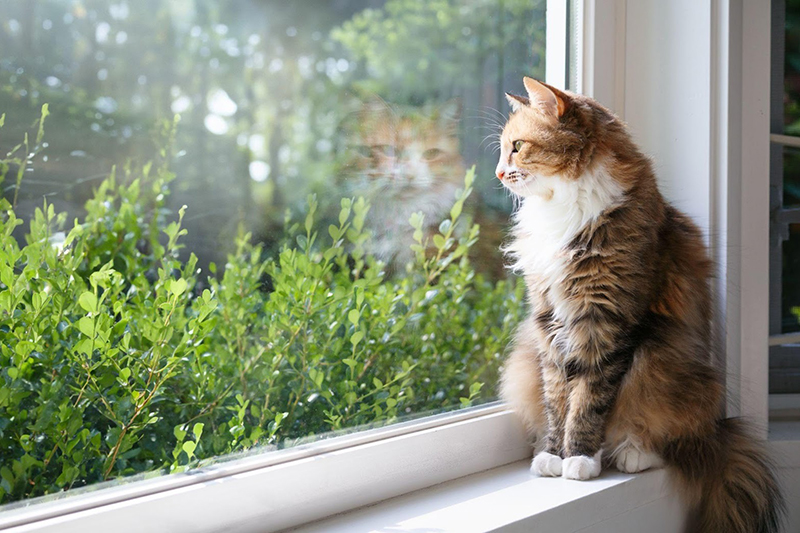
Certain cat sitting positions reflect your feline friend’s unique personality and behavioural habits. Some cats may prefer loafing, while others may prefer sitting upright. Here are some further observations and different meanings of cat sitting positions:
- Loafers: A cat that tends to loaf around usually feels quite content and safe in their environment, with a strong sense of trust for their human companion.
- Upright Sitters: If your cat is sitting like a human, it suggests they have a curious and confident nature, meaning they are both alert and engaged with their environment.
- Perchers: This cat sitting position means your cat is quite adventurous and likes to explore their environment. They can also have a playful and sociable nature, as long as they feel in control.
- Tucked-tail: These cats can be quite shy and may take longer to warm up to others. It’s better to give them quiet space and gradual interactions. You could potentially use catnip to help them feel more comfortable.
Why some cats sit like a human?
While a cat sitting like a human can look funny, it’s actually not a weird sitting position for a cat at all. In fact, cats sitting like a human is usually a sign of deep relaxation, solid trust or simply comfort in their home and around their human companions. With an upright posture but legs stretched out, this cat sitting position is common after your cat’s grooming or stretching session.
By sitting like a human, cats are actually in a vulnerable position, since it exposes their stomach and makes it more difficult to suddenly spring into action. Therefore, cats will usually assume this position when they feel completely safe and unthreatened in their space. It’s also common for certain cat breeds and body types to enjoy this position more often, such as Ragdolls.
Regardless, this cat sitting position can be hilarious, so make sure to grab your camera and share the moment with family and friends. Who knows, the photograph may even go viral! Since some cats like to stare, they may even pose for the photo.
How sitting positions change with age or health
Generally, most cat sitting positions are not concerning. However, depending on age and health, kittens, adults and senior cats can differ in flexibility and posture. Kittens are very flexible and can get themselves into all sorts of positions while exploring their environment. On the other hand, adult cats have sitting positions that they prefer, as they become more comfortable.
Once cats get older, as senior cats, they may have less flexibility and energy. Their movements tend to be slower, and they usually find positions that put less strain on their joints. Certain cat sitting positions can also be concerning if they indicate your cat is experiencing pain or discomfort. Senior cats may find it difficult to sit comfortably if their joints are aching or they have other physical issues.
While it’s normal for your cat’s sitting positions to change as they age, any sudden shifts should be observed. It’s important to consult a veterinarian to rule out any underlying problems and for advice on how to keep your cat comfortable.
Conclusion - Strengthening the bond through observation
We’ve explored the meaning of cat sitting positions and what they signify in terms of your cat’s emotions and behaviours. Once you observe your cat closely, you’ll notice your cat is trying to communicate with you. By understanding their communication cues, you can respond to your cat’s needs accordingly, making sure they’re comfortable and content in any situation.
Not only will this deepen your understanding, but also your connection and relationship with your cat. Make sure to reward your cat when they’re in calm or trusting positions with Dreamies™ treats as positive reinforcement.
FAQ - Cat Sitting Positions
What positions indicate pain in cats?
Certain cat sitting positions can mean your cat is in pain. For instance, if cats crouch with a hunched back, tuck their paws tightly under their body or keep their head low, they may be in pain. Cats may also avoid movement or hide often if they’re experiencing discomfort. Other body language signs can include tail flicking and flattened ears.
How should a cat look when sitting?
When cats are sitting, they should have a relaxed posture. Their back should be straight, paws tucked under or stretched in front, and tail curled loosely around their body. You may also notice their ears are pointed forward or to the side, and their eyes are soft or half-closed.
How do cats say 'I'm sorry”?
While cats can’t say “I’m sorry”, there are gentle actions that can show they’re feeling apologetic. Your cat may be seeking your forgiveness by blinking slowly, rubbing against you, gently nudging you with their head and purring softly. Other signs could be them following you around, sitting closely next to you, or even bringing you a toy. This is how cats try to make peace and reconnect with you.
What is an unhealthy cat's posture?
An unhealthy cat’s posture will either be tense or hunched, with their back arched. Their paws will be tucked tightly under the body and their tail held close or flicking back and forth. You may also notice their ears are flattened, eyes are squinted and they’re avoiding movement, as well as interaction.